Key Takeaways
- LAPTOP memecoin tumbled 99% from its Sept. 9 peak of $199.51 following widespread rug-pull allegations.
- Critics caution that high-profile token launches risk triggering harsh legal action against the crypto industry.
- Bubblemaps launched a pre-screening feed to help traders detect insider clusters before buying new tokens.
Market Volatility and Post-Launch Slump
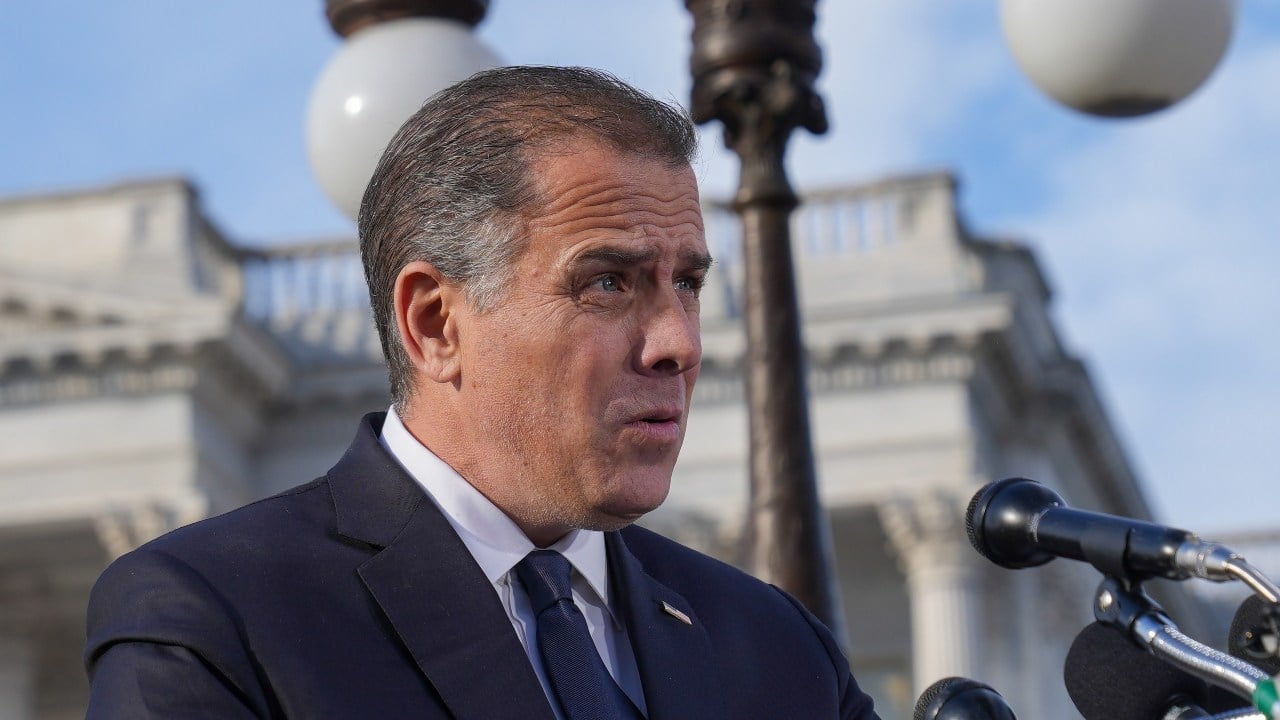
Hunter Biden’s LAPTOP memecoin rose nearly 10% Tuesday, defying a broader crypto market sell-off triggered by the U.S. Senate’s failed CLARITY Act vote. After a steep collapse sparked rug-pull allegations, market data shows the token initially continued its post-launch downtrend, sinking to $0.192 before bouncing back.
Just before midnight, LAPTOP surged, erasing earlier losses to reach an intraday high of $0.2789. The token later lost momentum and consolidated just below $0.24. Despite the brief rally, LAPTOP remains down 99% from its Sept. 9 peak of $199.51, ranking as the week’s worst-performing digital asset.
Despite the market carnage, Biden remains undeterred, relentlessly hyping the token on social media. In a Sept. 14 post on X, he glossed over the asset’s plummeting value to spotlight what he described as LAPTOP’s novel prediction mechanism, projecting optimism even as critics point to the token’s steep losses.
“The Philadelphia Eagles won their opening game. Go Birds! As part of the token’s novel prediction mechanism, 0.50% of the total $LAPTOP supply (~$1.1 million at current prices) has been burned,” Biden wrote.
The fallout from LAPTOP highlights a worsening divide within the crypto sector. While proponents advocate for open market access, critics caution that celebrity-driven and high-profile token launches severely complicate lobbying efforts for favorable legal guidelines. Allowing creators to launch and profit from initial liquidity spikes and leaving retail users with steep losses creates a worst-case scenario: it invites hardline enforcement actions from regulators.
Transparency vs. Regulation: The Bubblemaps Solution
However, Nicolas Vaiman, CEO and co-founder of the on-chain intelligence platform Bubblemaps, sees it differently: the problem was never about memecoin regulation or the lack thereof.
“What has been missing is accessibility, not regulation. When traders can instantly see who is really behind a token, capital flows away from bad actors, and unprofitable scams stop generating the headlines that invite sweeping bans,” Vaiman told Bitcoin.com News. He added that the industry’s best defense against blunt-force regulation is transparency that works at retail speed.
To bridge that gap, Bubblemaps launched a major platform revamp centered on a curated memecoin research feed. The system pre-screens new tokens to filter out insider clusters and bundled transactions before they ever hit a user’s screen.
According to a press release, this distinction matters for token analysis. A bundle flags wallets that bought within the same block or seconds of launch, typically a sign of sniping bots or a team pre-loading its own token. A cluster, on the other hand, flags wallets linked by shared funding sources or transfer patterns, often indicating hidden supply held by insiders under different addresses.
The revamp introduces a Bubblemaps score for each token in the feed, giving traders a fast visual read on insider concentration without requiring them to dig through a full bubble map. It also includes an integrated swap so users can act on research without leaving the platform. Together, the additions aim to make detecting rug pulls less of a specialist skill and more of a default part of browsing new tokens.
“People have been using Bubblemaps for years to understand tokens before they buy. Now we’re taking the next step: helping them discover tokens, analyze them, and trade them directly from the same platform,” Vaiman said.
Bubblemaps previously used its tooling to challenge the fairness of major memecoin launches, and it positions the new feed as an extension of that transparency push before a trade occurs—not just after a token has already failed.