Key Takeaways
- Albuquerque banned crypto ATMs and cashier crypto transactions to protect vulnerable residents from fraud.
- Operators must remove all targeted machines within 45 days of the ordinance’s effective date or face fines.
- Residents can still trade crypto online, though this local ban mirrors a broader nationwide ATM crackdown.
Albuquerque Imposes Blanket Ban on Crypto ATMs With Virtual Currency Ordinance
The city of Albuquerque, New Mexico, has moved to curb widespread fraud using crypto ATMs and cashier-facilitated crypto transactions within its limits.
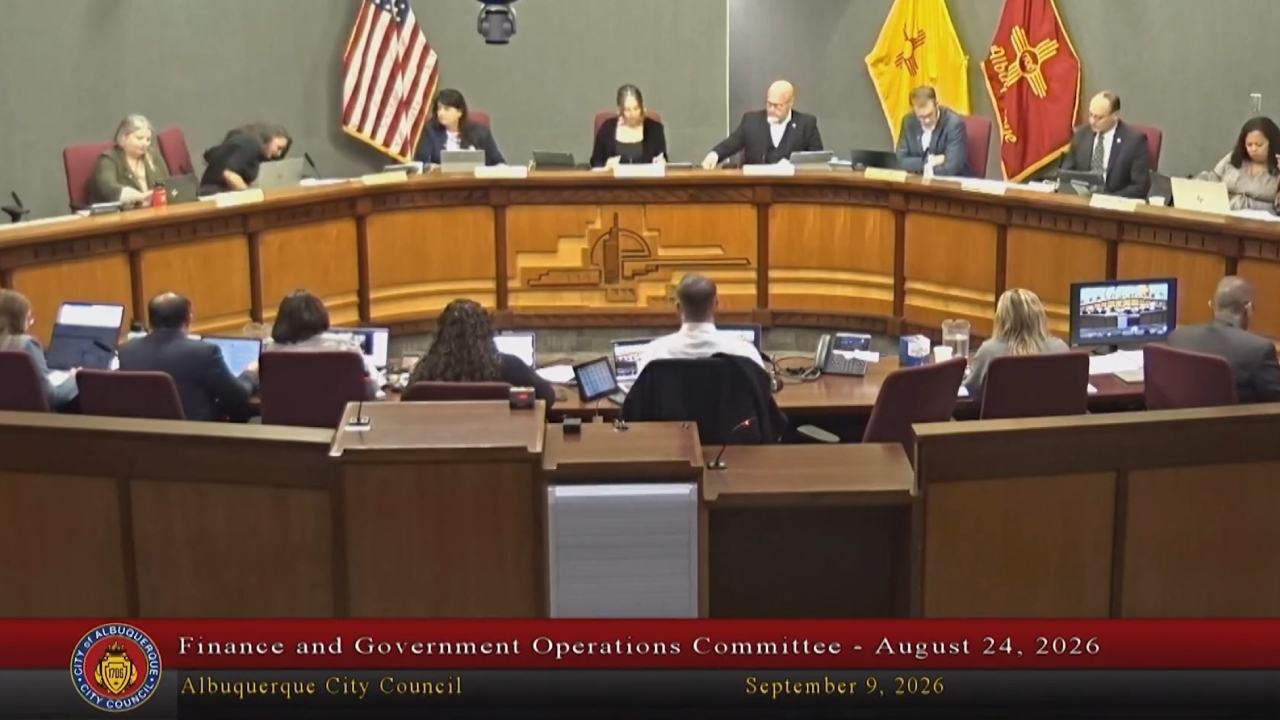
On Thursday, the city announced the passage of O-26-49, known as the “Virtual Currency Ordinance,” which imposes a prohibition on crypto ATMs and cashier-facilitated crypto transactions and affects the operation, hosting, and facilitation of these services.
The move is part of a pushback against the rise of targeted crypto-facilitated fraud on older adults and other vulnerable populations.
City Councilor Stephanie W. Telles, a co-sponsor of the ordinance, said crypto ATMs were almost exclusively used for these purposes, as the high fees made it economically unfeasible for everyday citizens to leverage their features.
“No one who legitimately exchanges or transmits virtual currency uses these kiosks, because the high fees make them a ripoff. So, who does? Scammers, organized crime, and human traffickers because the transactions are instant, anonymous, and impossible to reverse once the cash disappears,” Telles declared.
“When 90 percent of crypto ATM transactions in Albuquerque are tied to fraud, that’s not a financial service, it’s a crime scene,” she assessed.
Councilor Tammy Fiebelkorn, another ordinance co-sponsor, stressed that the municipality was doing what it can to solve this crisis without waiting for federal regulators. “This ban is a necessary, proactive measure to remove the physical infrastructure that enables these fraudulent activities,” she declared.
The ordinance states that these machines “shall be removed no later than forty-five (45) days after the Effective Date of this Ordinance,” and establishes cumulative fines for persons and entities found in violation of the ordinance.
The ban only affects operations involving ATMs and cashiers, while city residents remain free to own, possess, mine, and transfer digital assets through other means.
Albuquerque follows in the footsteps of other municipalities and even states that have also banned crypto ATMs, often used to facilitate fraud schemes. In July, Tennessee’s statewide crypto ATM ban took effect, joining Indiana, Minnesota, and Vermont.
The number of crypto ATMs in the U.S. has plummeted from 38,708 to 27,945 after the demise of Bitcoin Depot, a major crypto ATM operator.