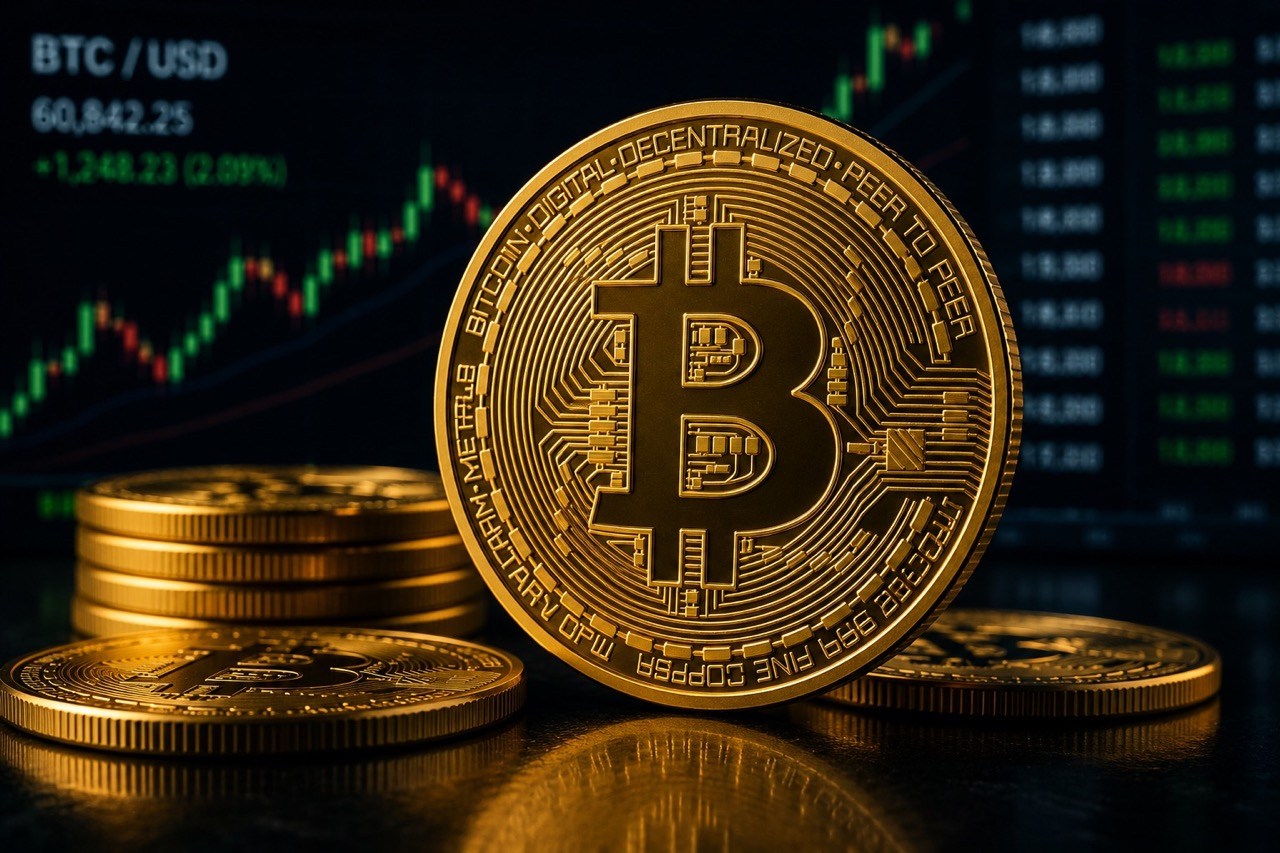
Bitcoin held near the $78,000 area as geopolitical tension around the Strait of Hormuz pushed Brent crude above $90, giving traders another macro-risk event to price across energy, inflation, and risk assets.
The move followed a CENTCOM statement on the escalation, while oil markets reacted to the risk of disruption around one of the world’s most important energy chokepoints. Bitcoin’s stability during the move drew attention because traders often watch whether BTC behaves like a risk asset, a liquidity asset, or a geopolitical hedge during stress events.
The answer is not always clean.
Bitcoin can fall with risk assets during panic. It can rise when traders seek alternatives. It can also hold steady while other markets move first. That makes the latest setup useful, but not conclusive.
For more details, visit the official Centcom platform.
TL;DR
- Bitcoin held near $78,000 as geopolitical tension around the Strait of Hormuz lifted oil prices.
- Brent crude moved above $90 as traders priced supply risk.
- The event should be framed as macro-risk context, not proof that Bitcoin is a guaranteed war hedge.
Why Oil Matters For Bitcoin Traders
Oil shocks can ripple through global markets.
If crude prices rise sharply, traders may start thinking about inflation, shipping costs, energy supply, central-bank policy, and consumer pressure. Those expectations can affect Treasury yields, the dollar, equities, and risk appetite.
Bitcoin now trades inside that macro complex.
A sharp oil move does not automatically move BTC, but it can change the broader conditions around it. If higher oil revives inflation fears, rate-cut expectations may shift. If geopolitical stress rises, liquidity preference may increase. If risk appetite weakens, crypto can come under pressure.
That is why Bitcoin traders are watching oil.
The Strait Of Hormuz Is A Serious Market Risk
The Strait of Hormuz matters because a large share of global oil flows through the region.
Any threat to shipping, energy supply, or military stability there can have immediate effects on crude prices. Even the possibility of disruption can cause traders to reprice supply risk.
That puts macro assets on alert.
Oil above $90 can become a psychological and policy marker. It raises questions about inflation persistence, central-bank reaction, and whether risk assets can keep rallying if energy prices remain elevated.
Bitcoin’s ability to hold near $78,000 during that backdrop is notable.
But one session is not enough to define the asset’s role.
Bitcoin’s Hedge Narrative Needs Care
Bitcoin is often described as a hedge against geopolitical instability.
Sometimes that narrative fits. Sometimes it does not.
During acute risk-off events, crypto can sell off because it is liquid, volatile, and widely held by leveraged traders. In other periods, Bitcoin can benefit from distrust in fiat systems, capital controls, or broad concerns about monetary policy.
The latest move sits somewhere between those narratives.
Bitcoin did not collapse as oil reacted. That shows resilience. It does not prove BTC will always protect portfolios during geopolitical stress.
Traders should treat the reaction as data, not doctrine.
Liquidity Still Matters
The bigger driver may still be liquidity.
If geopolitical stress pushes investors toward cash and the dollar, Bitcoin may face pressure. If markets expect central banks or governments to respond with easier conditions, Bitcoin may benefit. If energy prices feed inflation and keep rates higher, BTC may struggle.
That is why the oil move is important.
It can affect the policy path indirectly. Bitcoin traders are not only watching missiles, shipping lanes, or headlines. They are watching how those events filter into inflation expectations and liquidity.
The Market Test
The next test is whether Bitcoin continues holding the $78,000 area if oil remains elevated.
If BTC stays firm while crude holds above $90, traders may argue that demand is absorbing macro stress. If Bitcoin starts to weaken alongside equities, the hedge narrative may fade again.
Either way, the setup matters because it shows crypto markets are being shaped by more than ETF flows and exchange positioning.
Geopolitics is back in the frame, oil is moving, and Bitcoin is being tested as part of the wider macro map.
This article is based on CENTCOM materials, public Bitcoin price data, and oil market pricing.
This article was written by the News Desk and edited by Samuel Rae.