Key Takeaways:
- BitMine Chairman Tom Lee says Ethereum’s inverse correlation with oil prices has reached record levels.
- ETH has dropped alongside a sharp rise in crude oil prices over the past six weeks.
- While short-term, the pressure makes some people turn negative on Ethereum, Lee proves to be bullish on the token due to the development and growth of tokenization and agentic AI.
Ethereum’s recent weakness may have less to do with crypto-specific problems and more to do with rising global energy prices, according to BitMine Chairman Thomas Lee. The veteran market analyst believes oil has become Ethereum’s biggest short-term macro headwind as geopolitical tensions continue pushing crude markets higher.

Tom Lee Says Oil Surge Is Pressuring Ethereum
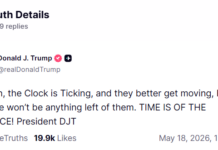
Lee shared his view in a recent post on X, arguing that Ethereum is now showing its strongest inverse correlation with oil ever recorded.
3/
This is short-term tactical noise.The bigger driver for ETH is:
– Tokenization
– Agentic AIThese structural drivers are in place. Thus, we expect ETH prices to be stronger as we move through 2026
— Thomas (Tom) Lee (not drummer) FundstratDirect.com (@fundstrat) May 18, 2026
According to Lee, the relationship has become unusually clear over the past six weeks. As crude oil prices climbed, ETH steadily moved lower, erasing much of its recent momentum. He described the move as “short-term tactical noise” rather than a structural problem for Ethereum itself.
The comments follow a sharp rise in Brent crude prices following renewed instability in the Middle East and worries about global energy supply lines. Breadth assets like the crypto sector have been hurt by high oil prices, and traders shifted to holding defensive positions.
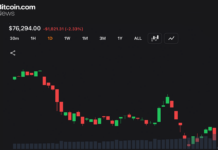
Ethereum has faced challenges in this time period as well. As volatility returns in the crypto market as a whole, ETH has recently broken several major resistance levels and plummeted almost to multi-month lows.
Read More: Ronin’s Ethereum L2 Shift on 12 May Could Slash RON Inflation 20x


Ethereum Still Faces Macro and ETF Pressure
Rising oil prices haven’t impacted Ethereum. In recent sessions too, the bigger than expected outflows at spot ETFs indicate that institutional demand cooled during the latest sell-off.
The $2,000 price point is currently being closely followed by some crypto traders in light of the fragile sentiment prevailing in the market. Uncertainty in the geopolitical realm and a rising Treasury yield have added pressure to the altcoins.
ETH Correlation With Traditional Markets Keeps Growing
But as Ethereum grows tighter with macroeconomic developments, one can feel crypto has become a significant part of the global financial market.
In past cycles, price moves for ETH have been mainly price movements when cryptocurrency oriented factors appeared on the ecosystem, which are related to upgrading the network or the development of DeFi initiatives. Commodity pricing, interest rates and even market liquidity in general are far more significant drivers of near-term price developments today.
With a drop in energy prices, Lee says the oil connection may be soon a thing of the past. In his opinion, one of the biggest near-term roadblocks that could be removed from the roadmap of Ethereum would be falling crude prices.
Read More: JPMorgan Targets $250B Stablecoin Market With Ethereum-Based Treasury Fund Launch
Tokenization and Agentic AI Remain Key Bullish Drivers
However, Lee was bullish on Ethereum for the longer-term, with a target of 18-months from now in mind.
He highlighted two structural themes that have a high potential to usher in a new era of Ethereum in the digital economy – tokenization and agentic AI. Numerous projects related to asset tokenization in the real-world are still developing on top of the Ethereum system, and AI-driven autonomous trading systems are more frequently engaging with blockchain networks.