Key Takeaways
- Pezeshkian ordered access restored on Monday, ending billions in losses to boost government services.
- Netblocks reported connectivity hit 80%, reviving the local market as users next bypass remaining filters.
- Following the 2,093-hour block, Photon VPN saw a user surge as officials next debate security filters.
Iran Breaths Internet Again, Although With Partial Filters
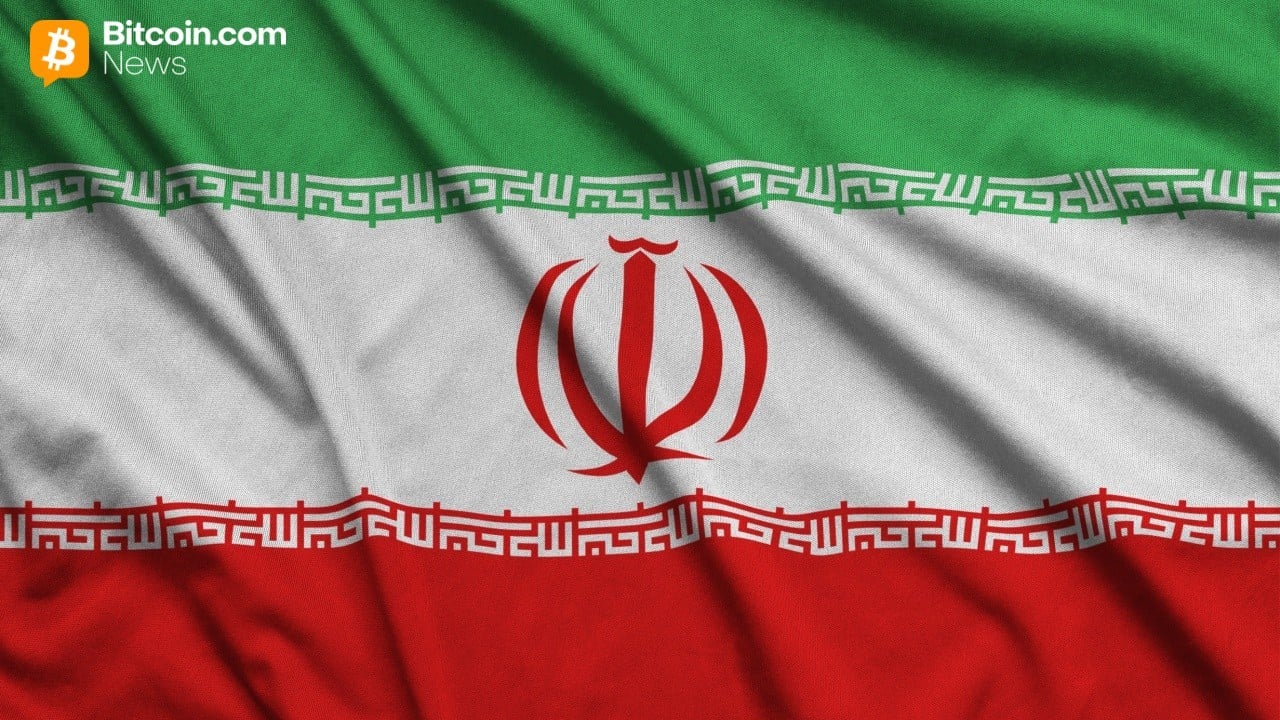
Iran has restored partial access to the internet after 88 days of a complete internet interruption that even left casualties as a result, per local reports.
Iranian President Masoud Pezeshkian pushed for the measure on Monday after ordering the Ministry of Communications to restore general internet access. Experts pointed out that the blockade, which was in effect for 2,093 hours, caused billions in losses for the Iranian internal economy and also restricted access to crucial information and services to the Iranian people.
In social media, Pezeshkian recognized that “communications based on information technologies and the internet have become an inseparable part of people’s lives,” and told Vice President Mohammad Reza Aref that “taking into account governance sensitivities, the views of the leadership, and the promise made to the people—and within the framework of an agile structure—to facilitate the conditions for improved government service and the fulfillment of public expectations.”
Netblocks, an internet observatory that followed Iran’s blockade since day one, reported that connectivity reached over 80% of its pre-attack levels, with some filters still in place affecting instant messaging applications like WhatsApp. Still, Netblocks stressed that circumvention was possible with alternative methods and that a significant number of Iranians were still disconnected.
Photon VPN, a popular virtual private network (VPN), revealed that Iranians were “flocking to VPNs like ours in order to combat the blocks and regain access to the free and open internet, where they can safely share and consume information.”
Iranian media reported that the lifting of the blockade caused internal turmoil, with Peyman Jeblli, head of the Islamic Republic of Iran Broadcasting, and Mohammad-Amin Aghamiri, head of the National Center for Cyberspace, opposing the restitution. The blockade was first promoted as a security measure, and Iranian Foreign Minister Abbas Araghchi stated that as the nation was under attack, the government would “have to do everything to protect our people.”