Key Takeaways:
- South Korea’s FSC presented a three-step plan to take stocks, bonds, and funds to blockchain infrastructure.
- New legislation to recognize tokenized security will take effect from 2027 onwards.
- Onchain settlement with stablecoins for digital capital markets is planned to be integrated into the long-term scheme.
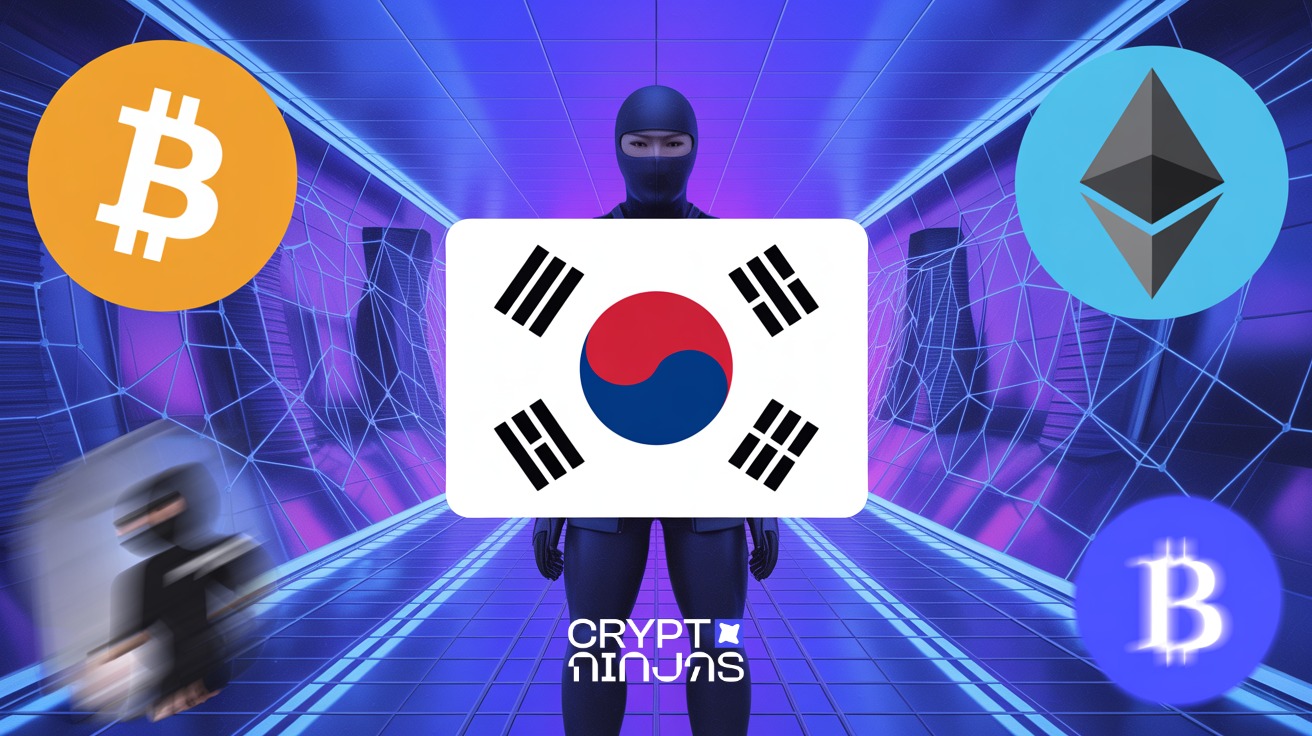
South Korea is accelerating its push into blockchain-powered finance. The Financial Services Commission (FSC) has introduced a policy roadmap that aims to modernize securities issuance and trading through tokenization, marking a significant step toward digital capital markets.

Tokenized Securities Expansion Begins in 2027
The roadmap is tied to amendments to the Electronic Registration Act, which will officially recognize tokenized securities as a digital form of traditional securities starting February 4, 2027.
The first phase will target money market funds, bonds, exchangeable unlisted stocks (EUSTs) through trust structures and publicly large-selling fractional stock sales. This phase will aim to evaluate market structures and operational processes before moving on to a wider adoption of tokenization for various financial products.
Read More: South Korea Ends 1M Won Crypto Travel Rule Limit in Major AML Crackdown

Stocks, Bonds, and Funds Move Onchain
The new roadmap is for mainstream securities, rather than other tokenization projects that were primarily fractional ownership.
The second stage will see all publicly listed stock, bond and investment fund securities covered with tokenization. Blockchain infrastructure could add value in a more efficient way to the issuance of FSC chain and tracking of chain of custody, while still allowing for regulatory control.
New Investor Protection Measures
Authorities also issued model standards for fractional investment products to support the development of markets.
As per the proposed framework, individual subscriptions can be capped at the lesser of (i) KRW 30 million or (ii) 5% of volume of all issuances. Regulators also suggest that a small portion of the public issues be reserved for retail investors so that there is fair participation.
If there is adequate investor protection, future receivables can be integrated into tokenized structures, too.
Stablecoins Included in Long-Term Strategy
The standout feature in the roadmap is the presence of the stablecoin-related settlement infrastructure in the last stage.
The FSC hopes to be in a place where issuances, trades, records and settlements will take place on interwoven blockchain systems. But the implementation hinges on the adoption by the markets, infrastructure readiness and in the future stablecoin legislation.

The timeline for later phases is still flexible, enabling regulators to assess the outcomes of the initial phase before rolling out and expanding the framework.
Infrastructure Development Moves Ahead
New guidance is available on distributed ledger standardization, cybersecurity standards, operational resilience and business continuity planning. Capital, staffing and technology will also be required for entities maintaining tokenized securities accounts.
By the end of September, the FSC will share updated versions of related regulations to provide clarity for the market before the first phase commences in early 2027.
Read More: BitGo Korea Scores VASP Approval, Unlocking South Korea’s $3T Crypto Market